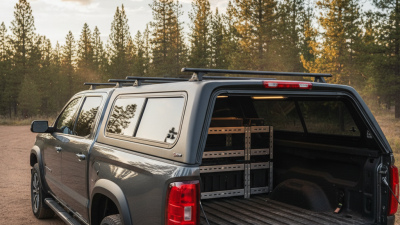
Choosing the right Truck Cap Partsfor your vehicle can honestly feel pretty overwhelming. With so many options out there, it's easy to get a bit confused. John Smith from Truck Hardware Co. puts it nicely when he says, “Picking good quality Truck Cap Parts isn’t just about looks; it actually boosts how well your truck works too.” That really highlights why it’s so important to make smart, informed decisions.
A lot of folks tend to overlook some key details. It’s not just about finding parts that fit—those parts should actually improve your truck’s performance. For example, weather seals are a small detail but super important—they need to be tough enough to handle all kinds of weather without giving you trouble down the line. Spending a little extra on high-quality Truck Cap Parts now can save you a lot of hassle later.
And let’s be honest—choosing the right parts can sometimes feel like standing in front of a huge menu with way too many options. If you focus too much on making everything look perfect, you might forget about what really matters—functionality. So, take your time, really think about what you need most. Will this part do what you're hoping it will? Asking yourself those kinds of questions will help you pick the best Truck Cap Parts that truly fit your needs.
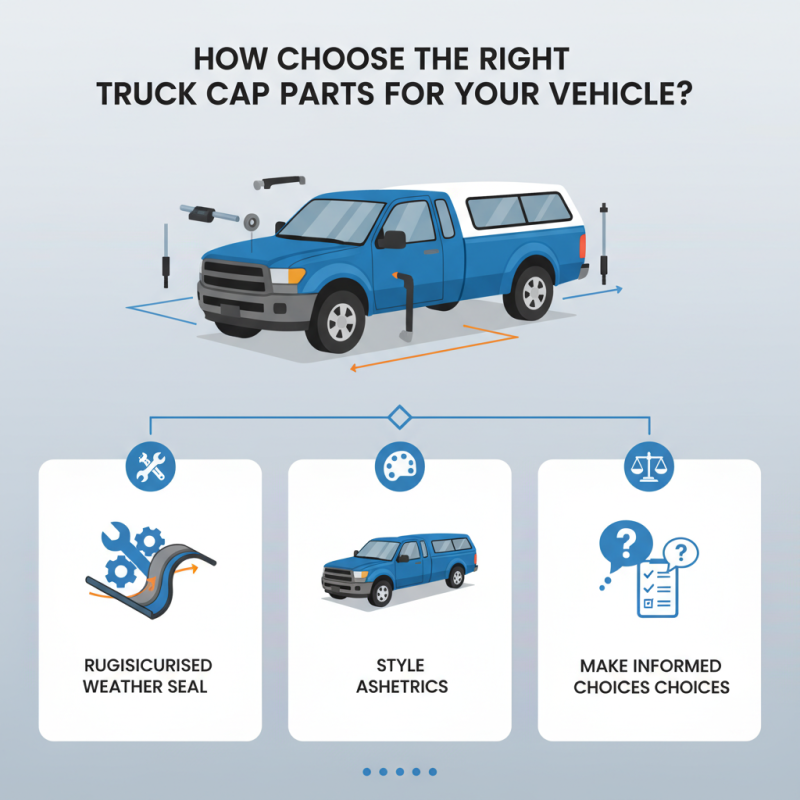
Choosing the Right Truck Cap for Your Vehicle's Specifications
Choosing the right truck cap for your vehicle's specifications is crucial. A truck cap can enhance storage, protect cargo, and improve fuel efficiency. Reports show that truck owners can see fuel savings of up to 10% with the right cap. This is important for both cost-efficiency and environmental impact.
Consider the specific measurements of your truck. Length, width, and height play significant roles in fitting a cap. A cap that is too large or small can lead to instability. An ill-fitting cap can also cause noise and air drag while driving. Precise measurements ensure a snug fit like the Rld Truck Cap, which is designed for performance.
Material choice is another important factor. Fiberglass offers a clean look but can be heavier. Aluminum is lightweight but may not offer the same durability. Reports indicate that around 70% of truck owners prefer fiberglass for aesthetic reasons. However, durability should not be overlooked. Reflect on your daily usage—do you need something robust or just fashionable? Balancing looks and functionality can save you from future headaches.
Understanding Material Types and Their Impact on Weight and Durability
When selecting truck cap parts, understanding material types is vital. Different materials impact weight and durability significantly. For example, aluminum truck caps are lightweight and resistant to corrosion. They can weigh up to 30% less than fiberglass options. However, fiberglass provides superior insulation and rigidity but can be heavier, sometimes exceeding 100 pounds.
Consider the environment where you'll use your truck cap. If you're in extreme conditions, durability matters more than weight. According to industry reports, UV-resistant coatings on truck caps extend their lifespan. They can withstand harsh sun exposure, keeping the materials intact for years.
Tips: Look for high-quality seals. They prevent water leaks and enhance durability. Regular maintenance is also essential. Inspect seals and hinges periodically. Always be mindful of the weight capacity of your vehicle, especially when adding a Truck Wheel Cap. Selecting the right material can mean a smoother driving experience and less wear on your truck.
Identifying the Correct Fit: Measurements and Compatibility Factors
When selecting the right truck cap parts, accurate measurements are crucial. Each Pickup Truck Cap has unique specifications that differ from vehicle to vehicle. Many users overlook this and end up with products that do not fit. According to industry reports, over 30% of truck cap returns are due to compatibility issues. This highlights the importance of measuring your truck’s bed length, width, and height.
Tips: Use a tape measure. Measure both the inside and outside of your truck bed. Check for any obstructions like bed liners or fixed accessories.
Additionally, consider the cap’s mounting system. Different trucks require specific mounting mechanisms. Some caps use clamps, while others need drilling. Ensure your choice aligns with these requirements. It’s also worth noting the weight capacity of your truck. A heavier cap may affect handling. Always cross-check weight limits against the truck's specifications.
Tips: Review your vehicle's owner's manual. This can provide important compatibility information. Don’t rush the process. Taking time to identify the right fit can save money and frustration.
Truck Cap Parts Compatibility Analysis
This chart compares the standard measurements of truck cap parts to actual measurements, highlighting key compatibility factors such as bed length, width, height, cab height, and weight capacity. Choosing the right parts ensures a proper fit for your vehicle.
Exploring Fastening and Installation Options for Optimal Performance
Choosing the right truck cap parts is crucial for performance. One often overlooked aspect is the fastening options available. A sturdy fastening mechanism ensures your truck cap stays securely in place during travels. You have options like bolts, clamps, and snaps. Each method comes with its own advantages and potential drawbacks.
Bolts can offer strong support, but they may be challenging to install. Some users find them difficult to tighten properly. Clamps provide a simple installation process. However, if not fitted correctly, they may loosen over time. Snaps are easy to handle, but they may not withstand high winds or rough terrain well. Choosing a fastening option involves weighing convenience against durability.
Installation plays a significant role in how well your truck cap performs. A poorly installed cap can lead to leaks. This can damage your cargo. Take your time during installation. Double-check each fastening method. This attention to detail can prevent future issues. Remember, securing your cap correctly is as important as selecting the right parts.
Evaluating Insulation and Weather Resistance for All-Season Use
When selecting truck cap parts, insulation and weather resistance are crucial, especially for all-season use. Insulation helps maintain temperature inside the cap. It prevents your cargo from extreme heat in summer and freezing cold in winter. Consider materials that provide thick insulation and proper sealing. Look for parts that fit snugly against your vehicle to minimize gaps. Even small spaces can lead to significant heat loss or water intrusion.
Weather resistance is equally important. A truck cap must withstand rain, snow, and heavy winds. Check for durable materials that resist corrosion and fading. Water can damage your gear easily if seals aren’t strong. Also, think about how your truck cap will fit with Tow Truck Parts if you're towing heavy loads. Some designs might not handle the extra stress well, leading to cracks or leaks. Reflect on your typical usage scenarios. If you frequently drive in adverse weather, a robust weatherproof design is essential. Balancing aesthetics with functionality creates a more effective truck cap setup.
Assessing Additional Features: Windows, Lighting, and Ventilation
When selecting truck cap parts, assessing additional features is crucial. Windows play a significant role in visibility and accessibility. Many users overlook their importance. High-quality tinted windows can enhance privacy and reduce heat buildup inside the cap. Reports indicate that over 40% of truck owners prefer large viewing windows for improved visibility when reversing. However, it's essential to find a balance between visibility and security.
Lighting is another feature to consider. Bright LED lights can improve nighttime visibility and enhance security when accessing the truck bed. Moreover, using motion-sensor lights can add convenience. Research shows that nearly 30% of thefts occur at night. Installing proper lighting may deter potential thieves, but the installation process can be challenging. Some users find themselves confused by wiring and connectivity issues.
Ventilation is often an overlooked aspect. Proper airflow can prevent moisture buildup, which leads to mold and unpleasant odors. Experts recommend features like side vents or sliding windows for optimal airflow. Yet many truck owners may ignore this detail. They might soon regret it when they find their gear damp and musty. Selecting the right features requires thoughtful consideration of both practical uses and potential shortcomings.
Comparing Costs: Balancing Quality and Budget for Truck Caps
When considering truck cap parts, cost is a significant factor. Many enthusiasts share a common concern: quality versus budget. Industry reports indicate that high-quality parts may attract a 30% premium. Yet, cheaper options can lead to increased long-term costs due to durability issues. Choosing wisely is crucial.
Tips: Always examine the materials used in truck caps. Aluminum models might cost more upfront but can last over a decade. In contrast, lower-quality fiberglass options may show wear within three to five years.
Another consideration is the balance of features and costs. Many truck owners find themselves yearning for more features. However, not all features are essential. Prioritize what you truly need versus what looks appealing. This approach can save money while ensuring you get the right fit for your vehicle.
How to Choose the Right Truck Cap Parts for Your Vehicle? - Comparing Costs: Balancing Quality and Budget for Truck Caps
| Component | Material | Cost Range (USD) | Durability | Weight |
| Truck Bed Cap | Aluminum | 500 - 1,500 | High | Lightweight |
| Truck Bed Cover | Fiberglass | 800 - 2,000 | Very High | Moderate |
| Side Window Kits | Polycarbonate | 100 - 300 | Medium | Lightweight |
| Ladder Racks | Steel | 300 - 700 | High | Heavy |
| Tool Boxes | Aluminum/Steel | 150 - 500 | Medium to High | Moderate |
Optimizing Construction Efficiency with the HOWO TX 6*4 Dump Truck: Insights from Recent Industry Performance Reports
The Howo TX 6×4 Dump Truck is designed to thrive in the demanding landscapes of Africa, where complex road conditions pose significant challenges to construction and transportation. Its robust powertrain ensures that it can handle heavy loads, making it an essential asset for mineral extraction and infrastructure projects. The vehicle's reinforced load-bearing structure allows it to operate efficiently even under extreme conditions, delivering reliability that is critical in the engineering sector.
One of the standout features of this dump truck is its focus on three core needs: adaptability, durability, and economy. These characteristics are particularly valuable for projects that require versatile machinery capable of navigating varying terrains and heavy-duty tasks. Its low failure rates and impressive fuel efficiency contribute to lower operational costs, enabling construction companies and transport operators to optimize project finances while maintaining high productivity levels. This makes the Howo TX 6×4 a trusted partner for infrastructure development, mineral transportation, and agricultural haulage in Africa, showcasing its vital role in enhancing construction efficiency across the continent.
FAQS
: The product aims to improve user experience and cater to specific needs.
It is designed for a broad audience. However, certain users might find it less suitable.
Follow the guidelines provided. Experimentation can lead to better understanding.
Yes, some features stand out for their effectiveness. Users often miss these though.
Troubleshooting steps are available. However, not every issue has a clear solution.
Yes, feedback is encouraged. However, not all feedback will be addressed promptly.
Some users might find it challenging at first. Practice usually helps.
Regular use is recommended, but it's best to avoid over-reliance.
Results vary. Some users may see improvements quickly, while others take longer.
Reassess your expectations and usage. Change may be necessary for better results.
Conclusion
Choosing the right truck cap parts is essential for optimizing your vehicle’s performance and functionality. The first step is to ensure that the truck cap matches your vehicle's specifications, considering factors like measurements and compatibility. Understanding the different material types can greatly affect the cap’s weight and durability, which are crucial for long-term use.
Moreover, exploring various fastening and installation options can enhance overall effectiveness, while evaluating insulation and weather resistance makes the cap suitable for all-season conditions. Additionally, assessing features such as windows, lighting, and ventilation can significantly improve practicality. Finally, it's important to compare costs and balance quality with your budget to make an informed decision about your truck cap parts.